The Only 3 Chess Openings a Beginner Needs
A beginner chess player doesn’t need to memorize 20-move sequences of theory. Instead, aim for openings that teach you the fundamentals: developing your pieces, controlling the center, and keeping your king safe, while remaining simple, intuitive, and relatively risk-free from the start.
In this post, we’ll provide a three-opening repertoire perfect for the beginner: the Stonewall Attack, the King’s Indian Defense, and the French Defense.
The Stonewall Attack teaches the importance of central space in the opening while providing intuitive development and sharp yet straightforward attacks. Meanwhile, the two Black openings prepare you with forceful replies against White’s two most common opening moves.
The Stonewall Attack
The Stonewall Attack is excellent beginner-friendly opening. It’s not as popular as the London System with d4, but it shares the same quality of being straightforward and consistent. The Stonewall usually begins:
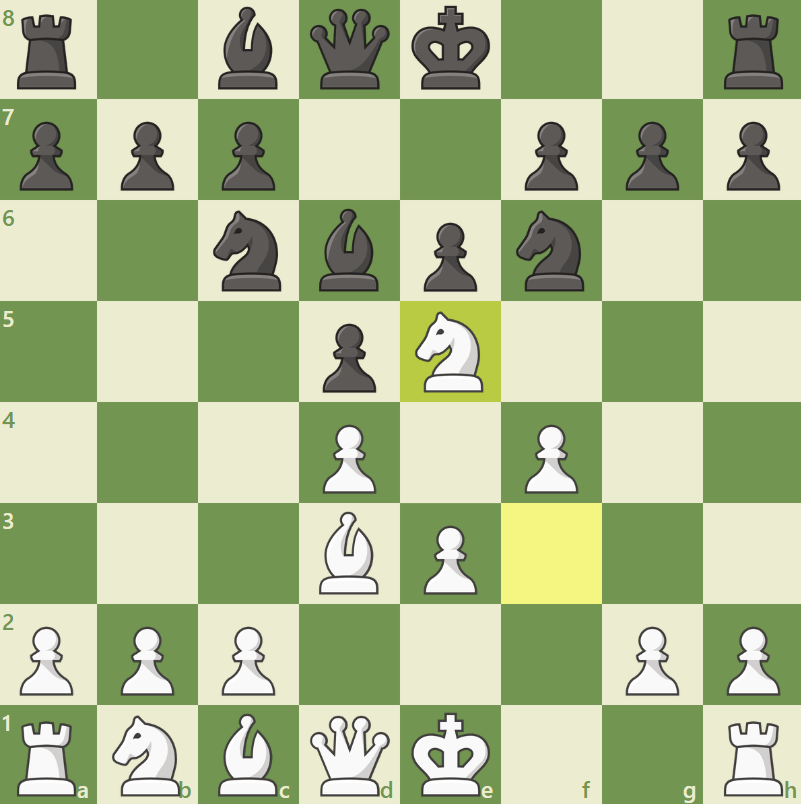
- d4, followed by 2. e3, 3. f4, 4. Nf3, and 5. Bd3.
The defining feature is the “stonewall” pawn structure: pawns on d4, e3, f4, and c3. This creates a solid wall in the center, giving White lots of control over the dark squares, especially e5, where the knight often enjoys a happy outpost.
At a beginner level, Black will often trade off the e5 knight early on, sometimes hanging a pawn fork in the process if they take the wrong way.
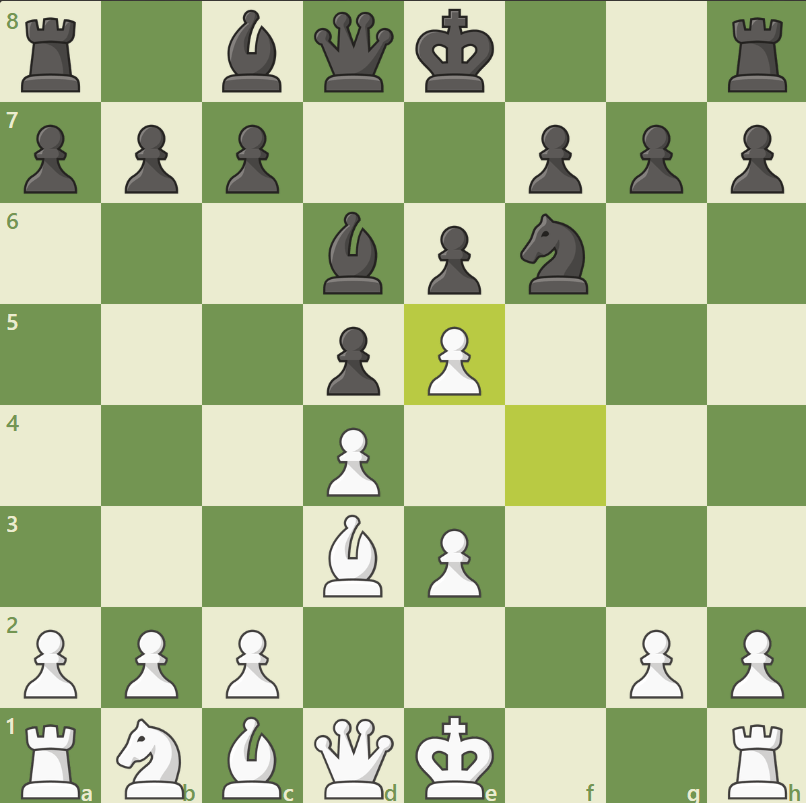
The Stonewall is especially useful for beginners because it gives you a clear plan: build the wall, develop behind it, and attack on the kingside. Unlike more theoretical openings, you don’t need to memorize long lines. Understanding the pawn structure and typical piece placements is enough to get started.
The King’s Indian Defense
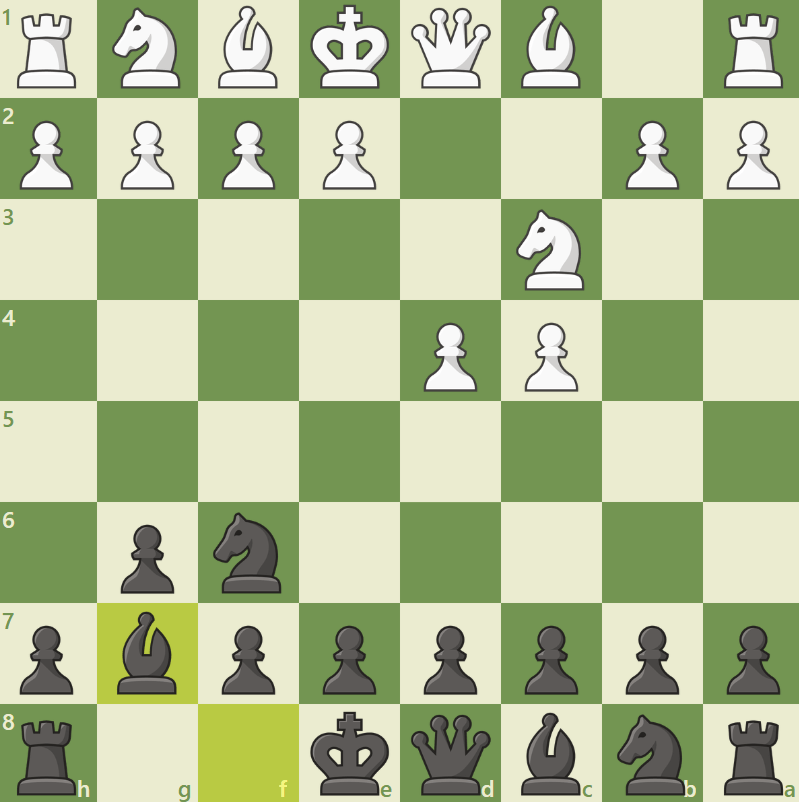
Now let’s switch to a defensive option for Black. The King’s Indian Defense (KID) is a great choice if you want to meet 1. d4 with something dynamic and aggressive. It starts with:
- d4 Nf6
- c4 g6
- Nc3 Bg7
- e4 d6
Here, Black allows White to build a strong pawn center but plans to counterattack later. The typical pawn structure involves Black playing e5 or c5, while fianchettoing the bishop to g7. The King’s Indian is all about flexibility. You can sit back and then strike at the right moment.
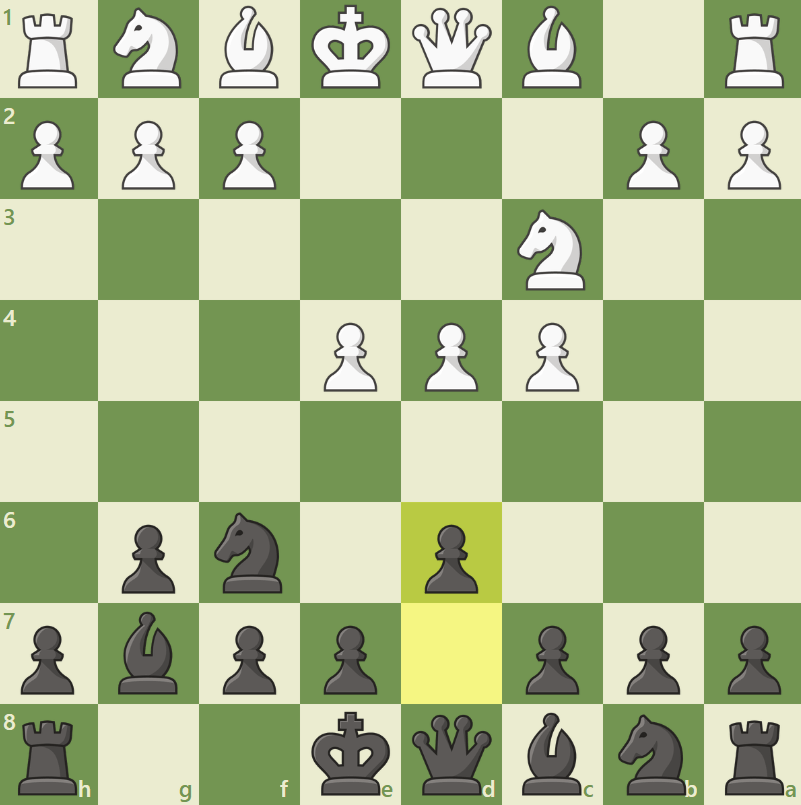
For beginners, the KID is helpful because it teaches patience and counterplay. You’ll learn that you don’t always have to grab the center immediately. Instead, you can let your opponent take space and then undermine it. It also exposes you early to ideas of pawn breaks, king safety, and sharp middlegame attacks.
The French Defense
Against 1. e4, your defensive opening in this repertoire is the French Defense. It begins:
- e4 e6
- d4 d5
The French Defense is solid and strategic. Black immediately challenges White’s center with d5. A key feature of the French is the pawn chain: if White plays e5, Black will often respond with c5, attacking the base of White’s pawn structure.

The French teaches beginners important lessons about pawn structure, particularly how locked centers affect play. In many French positions, play revolves around slow maneuvering, attacking on the wings, and well-timed pawn breaks. This makes it a great opening for developing patience and understanding strategic battles.
Tips for Learning Openings
Learning openings can feel daunting, but if you approach them the right way, you’ll improve much faster and avoid wasting time on endless memorization. Here are some practical tips to help you get the most out of your chosen opening.
1) Watch/Read Content on Your Opening of Choice
We live in the golden age of chess content. Whether you prefer YouTube videos, Twitch streams, books, or online courses, there are countless resources that break down openings step by step. Watching strong players play your opening can help you understand not only what moves to play, but also why those moves are played.
Start with beginner-friendly guides. Don’t worry about learning ten different variations right away. Focus on the core setup, the basic plans, and the pawn structures you’ll see over and over again.
2) Play a Lot Online to Get Familiar with Your Opening
The fastest way to improve at any opening is to actually play it. Pick an opening, commit to it for a stretch of games, and see how your opponents respond. Online chess platforms like Chess.com and Lichess make it easy to get hundreds of games in, especially at shorter time controls.
If you’re struggling to figure out which color/opening you enjoy, try playing against a computer first. The computer won’t care if you experiment, and you’ll get a chance to test the waters. After some trial and error, you’ll naturally gravitate toward openings that feel comfortable to you.
The key is repetition—playing your opening again and again until it becomes second nature.
3) Learn a Few Variations, but Don’t Worry Too Much About Memorization
One of the biggest mistakes beginners make is trying to memorize dozens of moves without understanding them. The truth is, most of your opponents won’t follow the main line theory anyway. Instead, you should focus on basic principles:
- Development: Get your knights and bishops out quickly. Don’t waste time moving the same piece multiple times early unless necessary.
- Central Space: Try to control the important squares in the middle of the board (d4, d5, e4, e5). The player with more central influence often has more options.
- King Safety: Don’t forget to castle! Leaving your king in the center too long is a recipe for disaster.
If you understand these fundamentals, you’ll always have a decent position—even if your opponent takes you “out of book” early. As you gain experience, you can add a few variations and tactical motifs to your knowledge, but keep your focus on the basics.
 Chess is Hard